 Phone:



Autonomous Rack-Lifting Robot
PUDU T300 Lifting Version
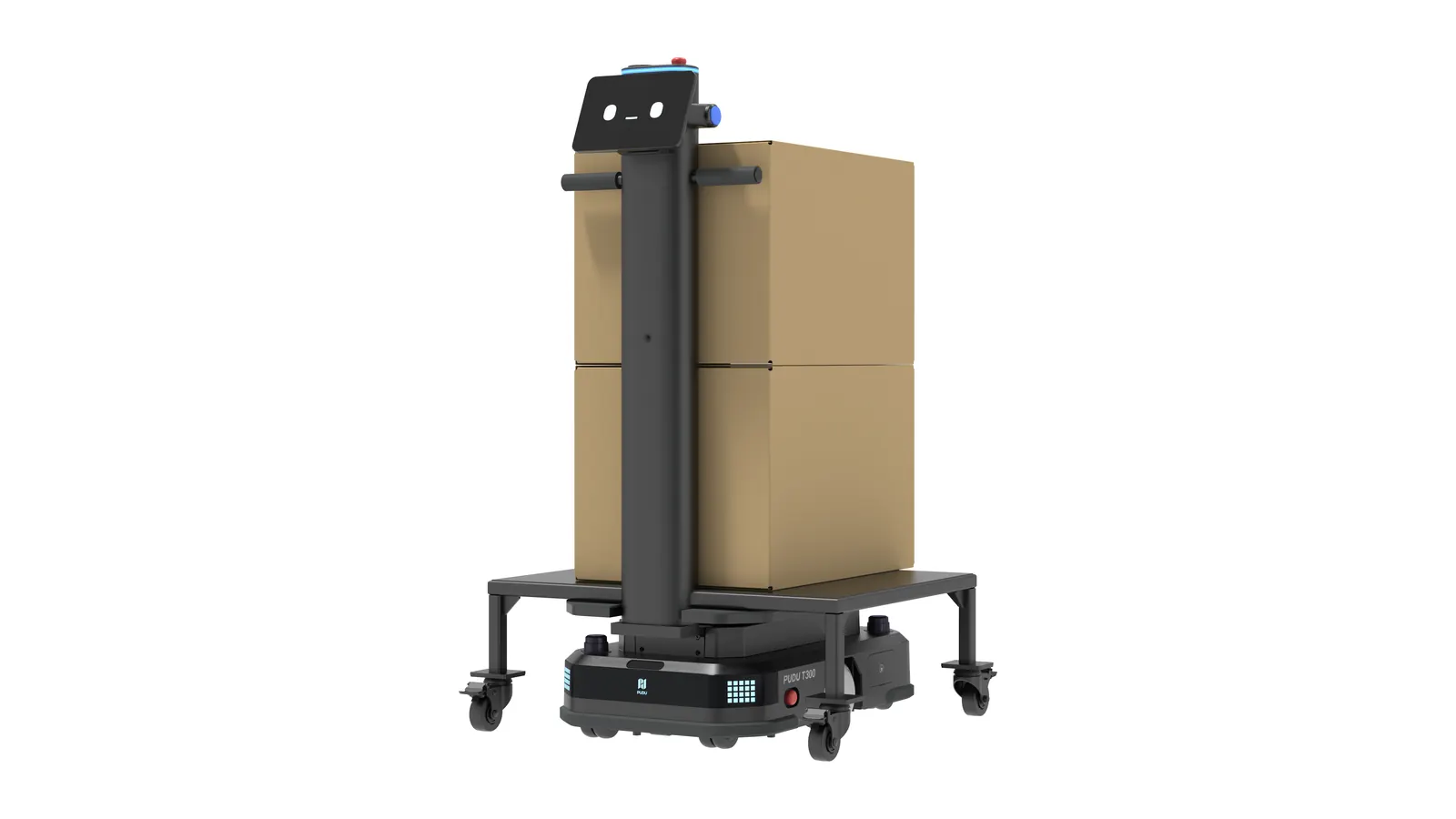
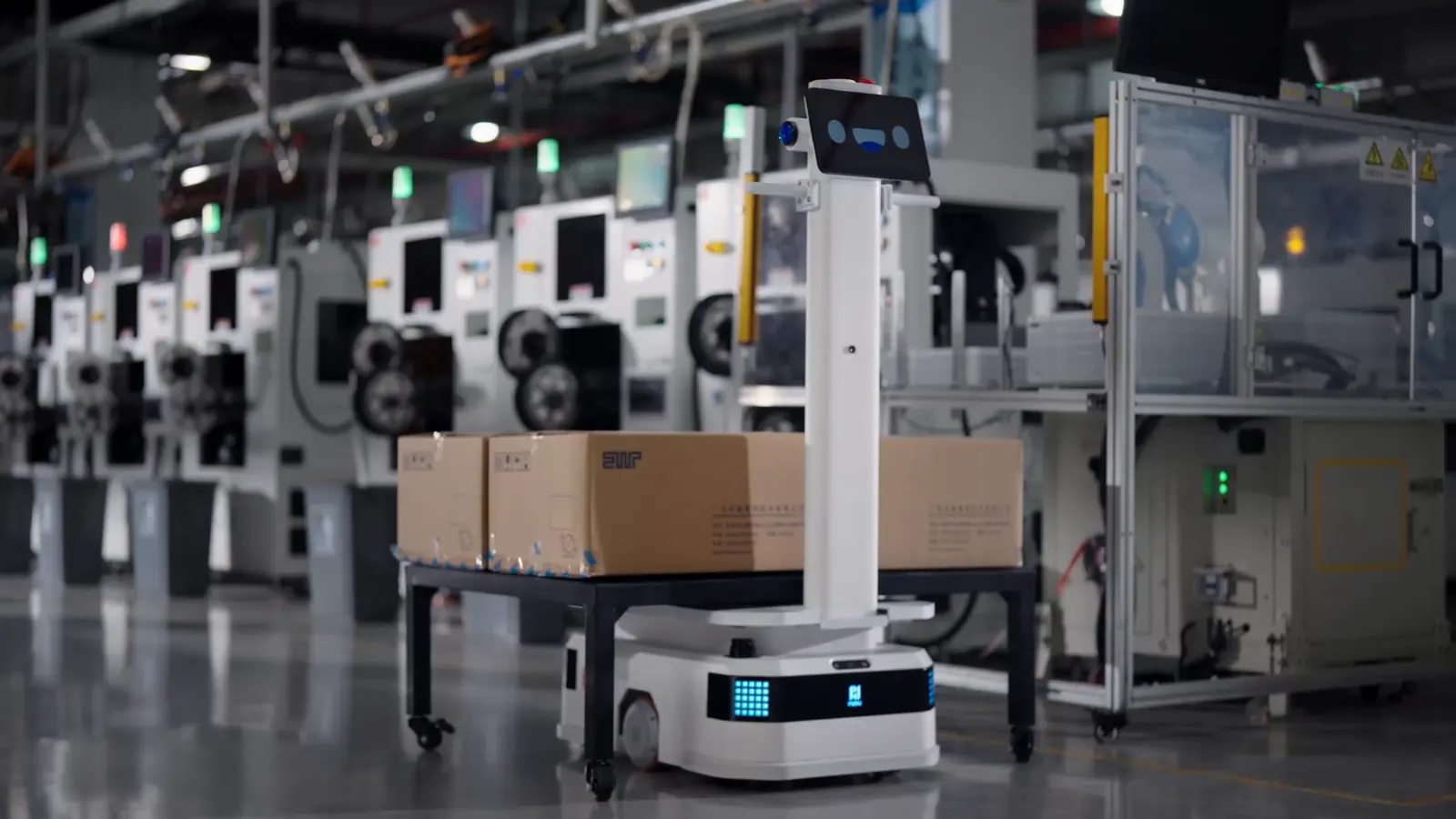
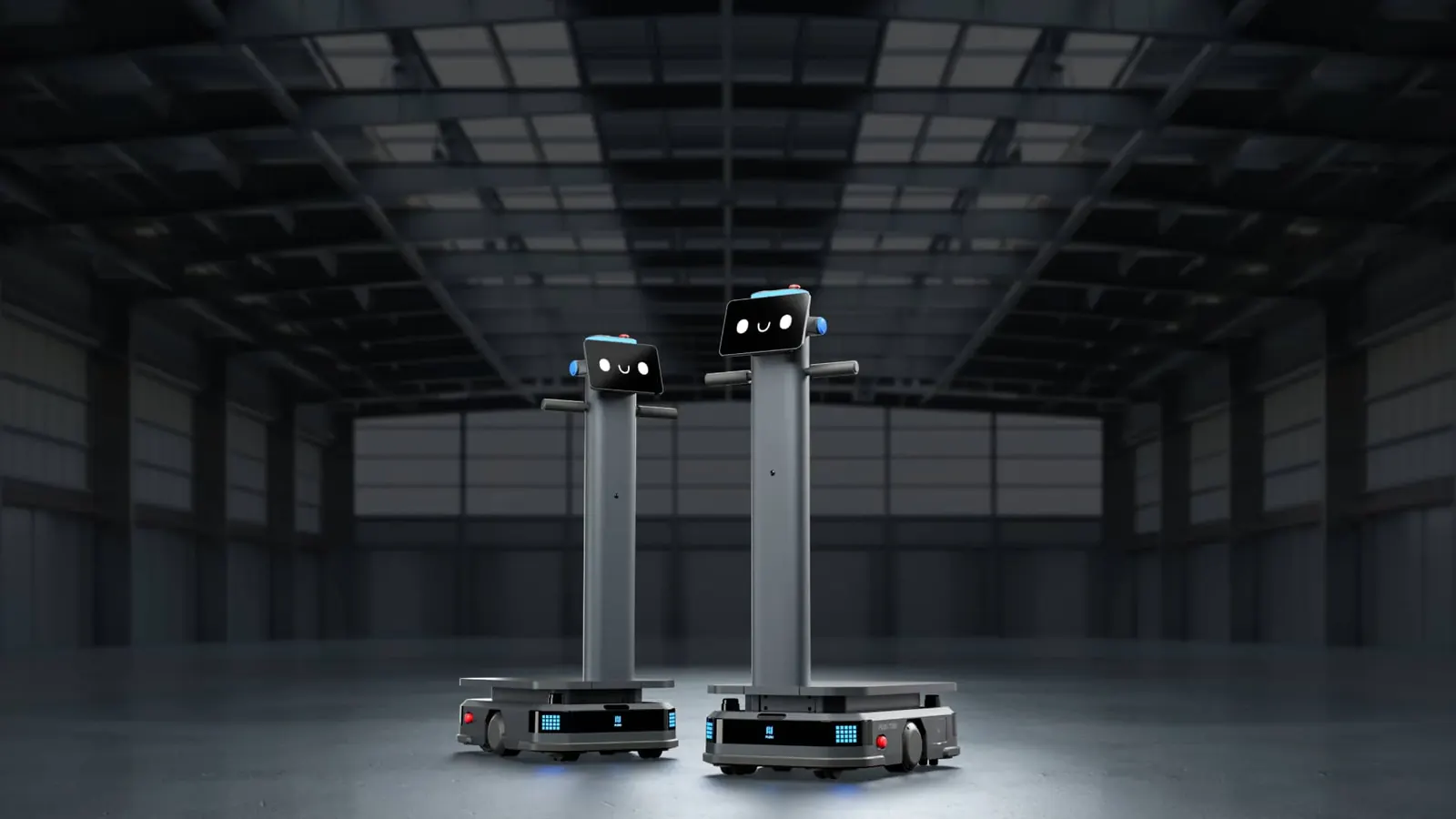
Stop pushing trolleys between workstations. The PUDU T300 Lifting Version drives under a rack, raises it and carries up to 300 kg to the next station without a driver, then heads off for its next job. DMD Warehouse Solutions demonstrates, commissions and supports it from Perth across Western Australia.

Up to 300 kg
Payload PUDU rates for the lifting version.

Lifts Its Own Rack
Docks, raises 60 mm and moves off unaided.

Up to 12 Hours
Running empty, or 8 hours at full load.

Lifts, Gates and Pagers
Rides lifts and calls up jobs at the press of a button.
See the T300 in action
Material moves while your team keeps working.
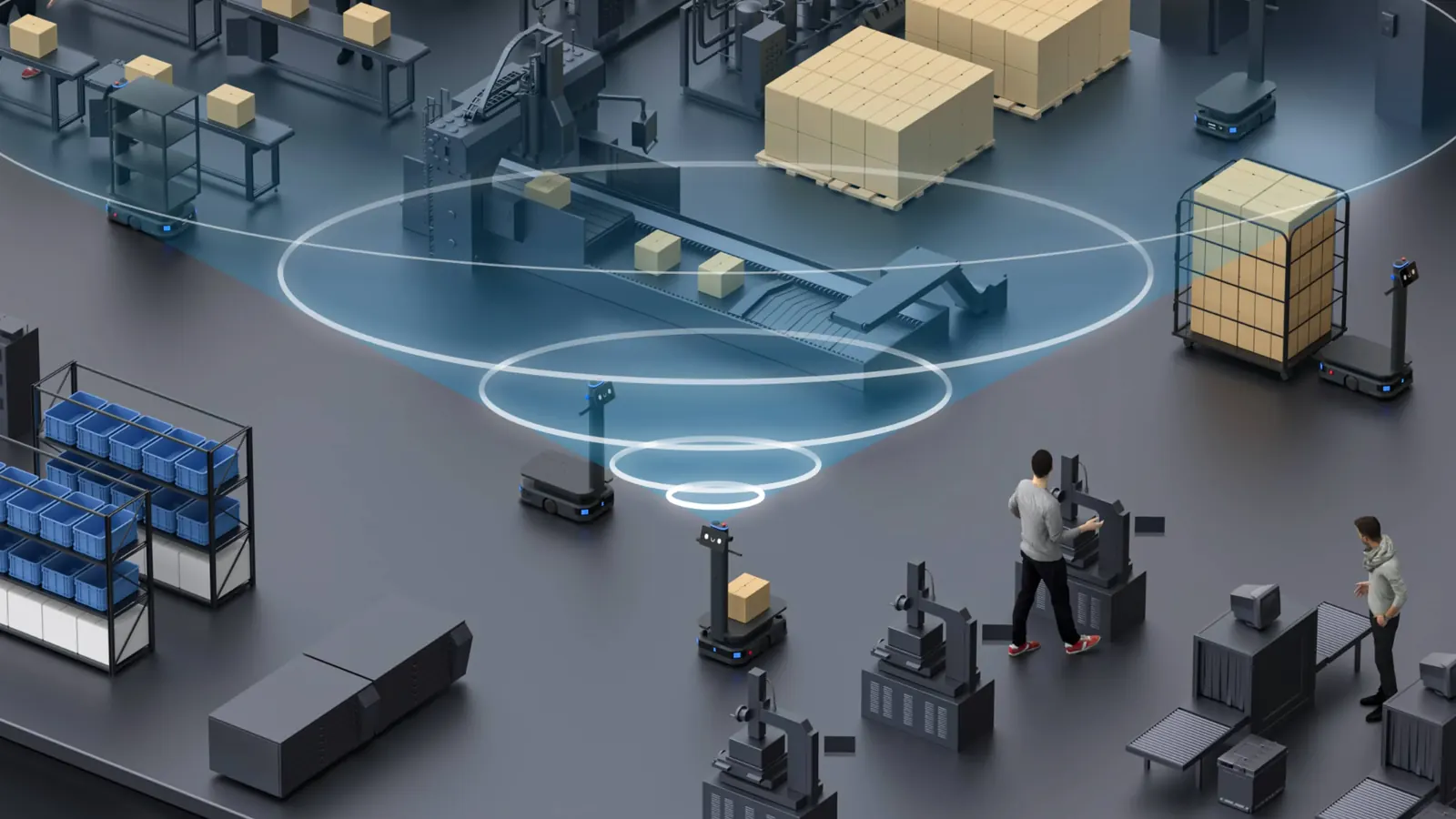
Watch the T300 map a site without floor tape or reflectors, pick up loads, share aisles with people, ride a lift between floors and return to charge. The film shows each T300 version; the lifting version is the one that collects and drops racks by itself.

Automatic Rack Lifting
Docks, lifts and drops racks by itself.
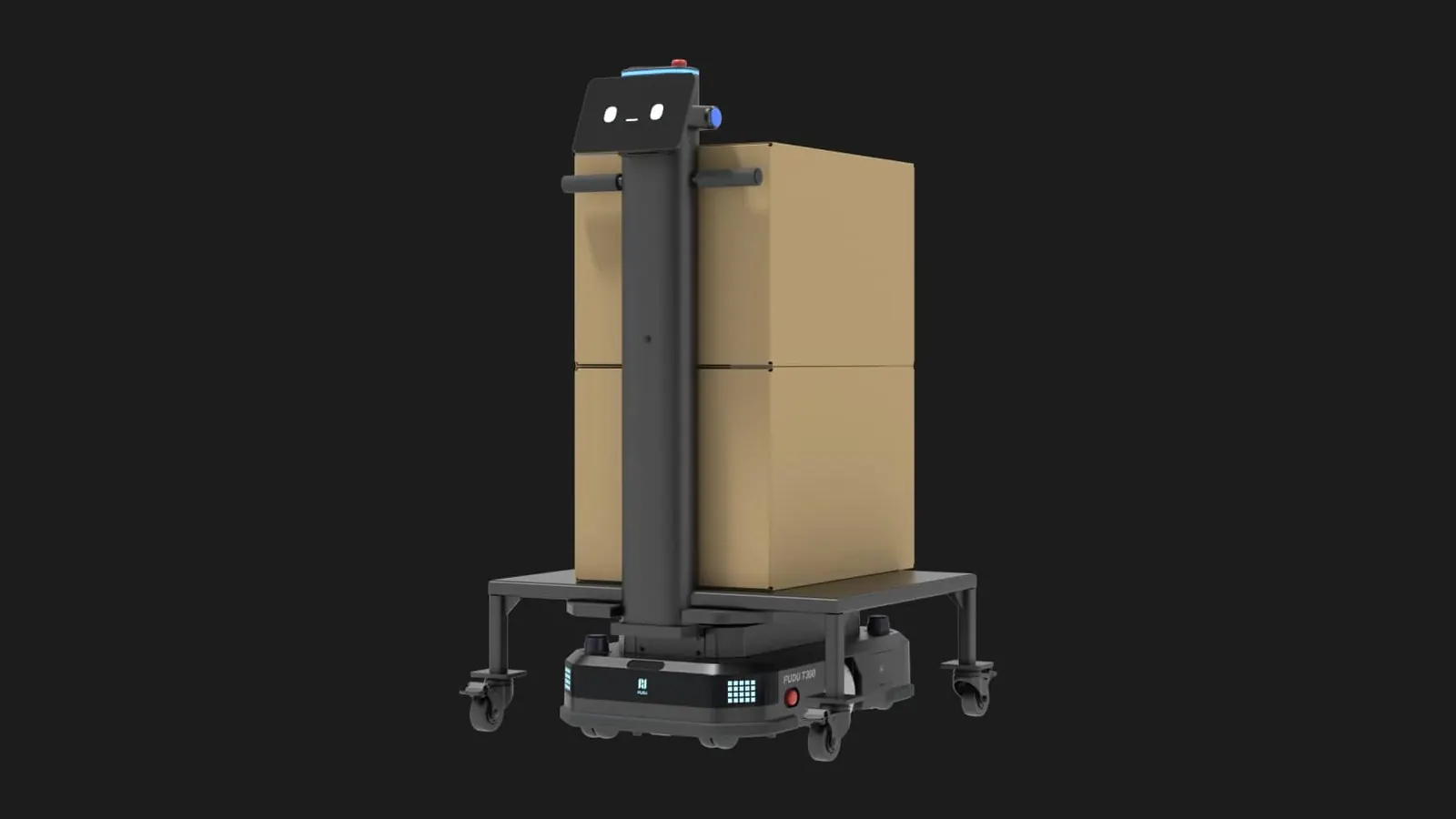
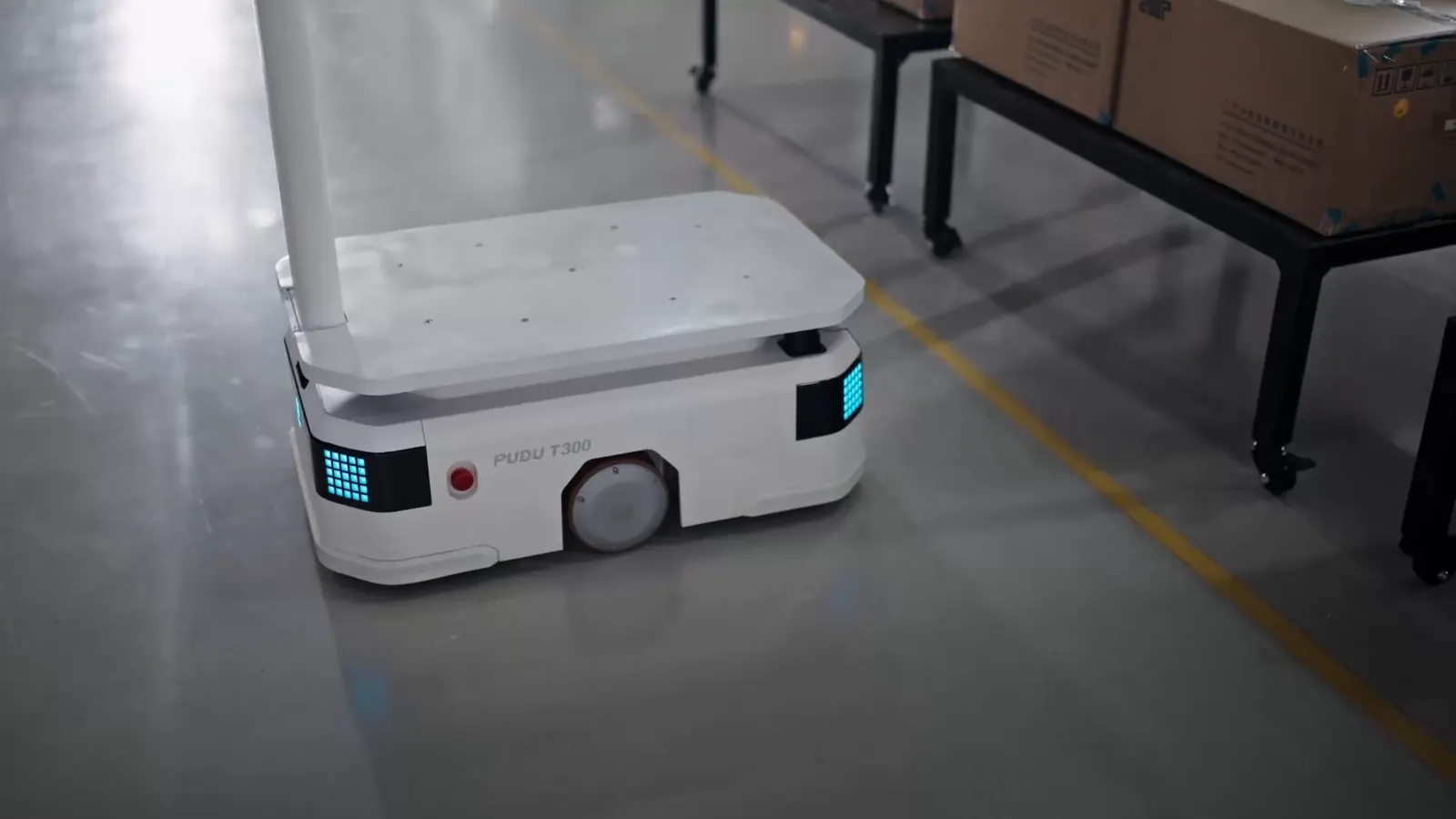
The T300 Lifting Version recognises a compatible rack, reverses underneath and raises it clear of the floor. At the destination it lowers the rack, leaves it in place and is free straight away, so no one walks a trolley across the site. Racks are an optional PUDU accessory.
300 kg
Maximum payload (PUDU)
60 mm
Lift height
Recognises and docks under the rack
Precise docking to ±1 cm with reflective posts
Leaves the rack and takes the next job
Precise docking to ±1 cm with reflective posts
Leaves the rack and takes the next job
Navigation and Safety
Works safely in aisles people share.
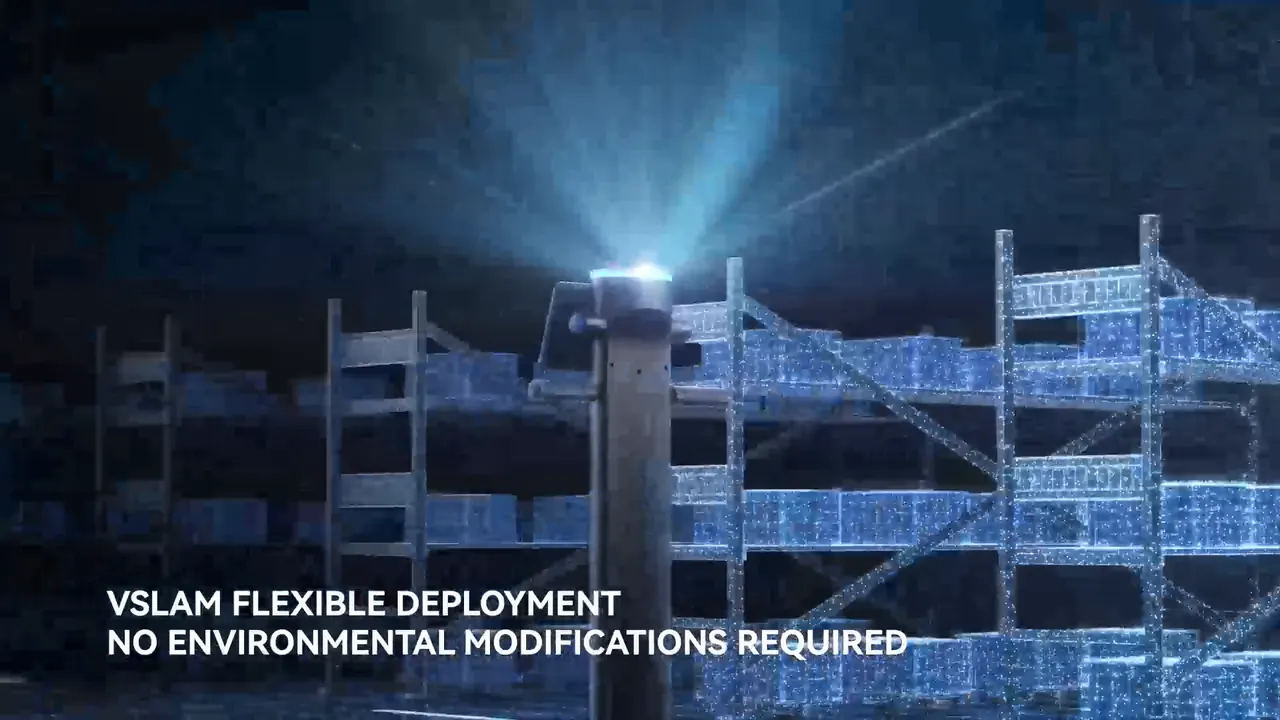
PUDU VSLAM+ combines camera and laser positioning, so routes change in the app rather than with floor tape. LiDAR, depth cameras and collision sensors watch all around the robot, and PUDU builds the T300 to the ISO 3691-4 standard for driverless industrial trucks.
360°
LiDAR and depth camera coverage
1.2 m/s
Maximum speed
Sees low and overhanging obstacles
Recognises yellow floor safety markings
Emergency stop buttons on the robot
Recognises yellow floor safety markings
Emergency stop buttons on the robot

Round-The-Clock Operation
Charges itself or swaps a battery in minutes.
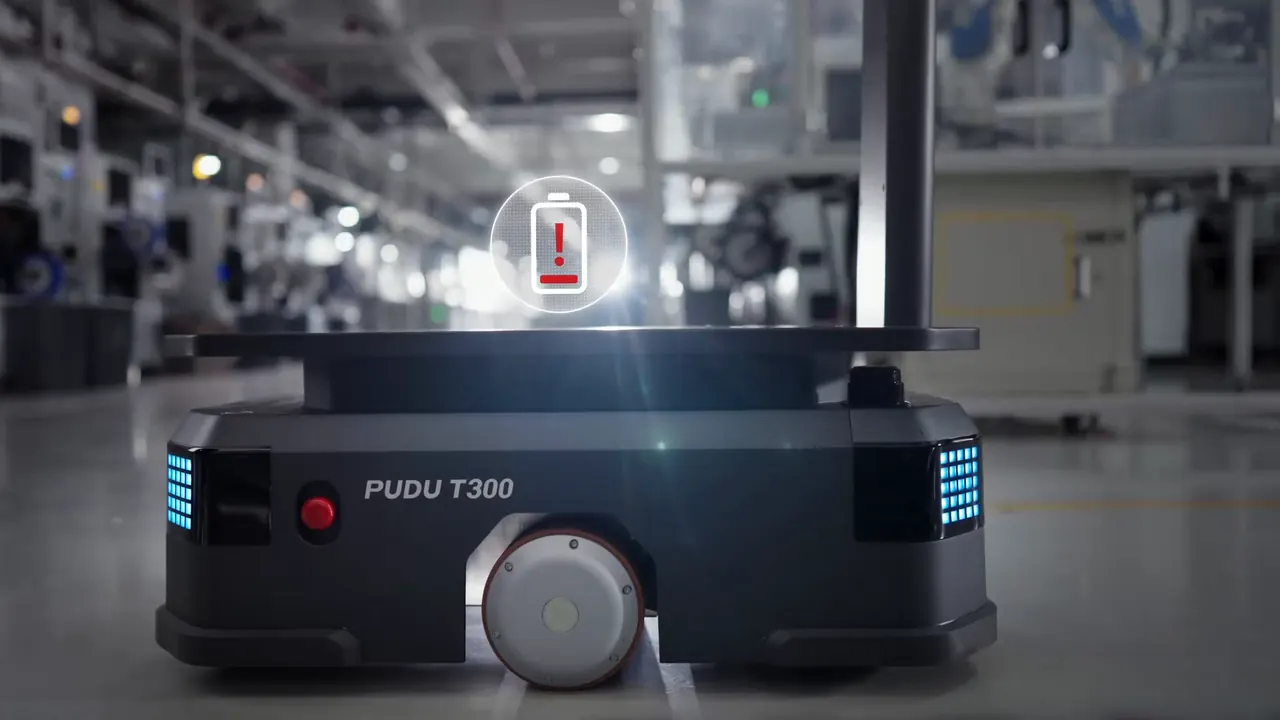
PUDU rates the T300 at 12 hours with no load and 8 hours fully loaded. It can drive itself back to the charger, which takes it from flat to 90% in about 2 hours, or staff can swap in a charged 30 Ah battery to keep a shift moving.
8 h
Runtime at full load (PUDU)
2 h
Charge from 0 to 90%
Automatic return to charge
Swappable 30 Ah battery
Up to 12 hours running empty
Swappable 30 Ah battery
Up to 12 hours running empty
Connected To Your Site
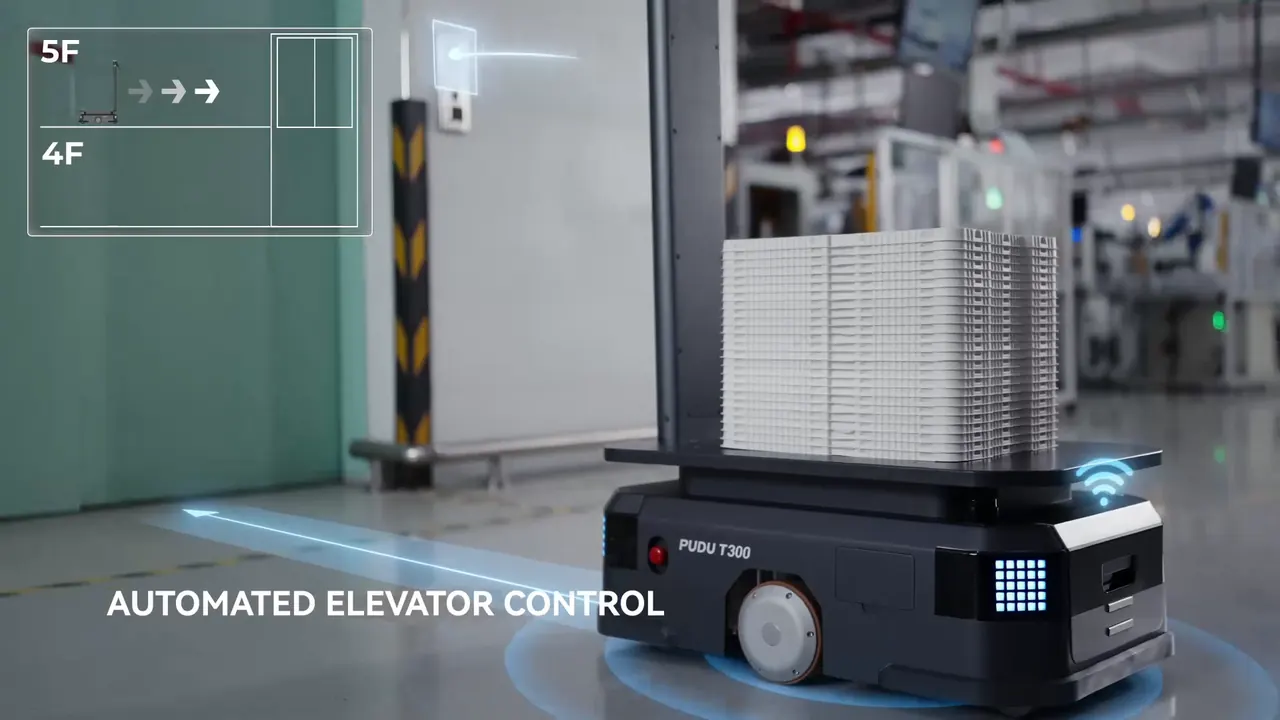
Rides lifts and opens gates on its own.
Optional control modules let the T300 call a lift and pass through automatic gates, so one robot can serve several floors and zones. Staff send jobs from a wireless pager, the 10.1-inch screen or the PUDU Link app, and an API is available for linking to your own systems.
20
Robots scheduled per site (PUDU)
20 mm
Threshold it can cross
Lift and gate control modules (optional)
Pager, screen and app job calls
Crosses floor gaps up to 35 mm
Pager, screen and app job calls
Crosses floor gaps up to 35 mm
Business Case
Capabilities
Specifications
DMD Deployment
Take Trolley Runs Off Your Team's Plate
Moving parts, cartons and work in progress between stations is constant, low-value work that pulls skilled people off the line. The T300 Lifting Version takes over the routine runs so racks arrive when they are needed and your team stays on the job.
THE PROBLEM
Skilled staff push trolleys
Operators leave their stations to fetch and deliver material.
T300 OUTCOME
Racks are collected and dropped automatically, so people stay productive.
THE PROBLEM
Deliveries arrive late or early
Runs depend on who is free, so lines wait or stock piles up.
T300 OUTCOME
Jobs are called from a pager or the app and run in order.
THE PROBLEM
Fixed AGV paths are hard to change
Tape, magnets and reflectors need rework when layouts move.
T300 OUTCOME
VSLAM+ routes are edited in software as the floor changes.
THE PROBLEM
Multi-floor moves tie up people
Someone has to ride the lift with every load.
T300 OUTCOME
With optional modules the T300 calls lifts and passes gates itself.
Where the T300 Lifting Version Fits
Line-side parts delivery
Work-in-progress transfers
Runs to quality inspection
Finished goods to dispatch
Multi-floor production sites
Hospital and lab logistics
One Robot, Three Ways To Move
Automatic Delivery
Drives loads to any mapped point, with routes edited in the app.
Follow Mode
Uses visual recognition so several robots can queue and follow in order.
Power-Assist Mode
Electric assist makes the robot easy to push by hand for one-off moves or mapping.
Rack Lifting
Docks under a compatible rack, lifts it 60 mm and releases it at the drop point.
Precise Docking
Reaches ±1 cm docking accuracy with PUDU reflective posts.
Fleet Scheduling
PUDU's scheduler coordinates up to 20 robots and reroutes around congestion.
Large-Site Mapping
PUDU rates mapping at up to 200,000 m² and ceilings up to 30 m.
Clear Signalling
Beacon light, turn signals and audible alerts show where the robot is heading.
Open Integration
API, USB and external power ports for linking systems and add-on devices.
T300 LIFTING VERSION SPECIFICATION
Model
WTIDL1
Dimensions
835 x 500 x 1350 mm
Robot weight
81 kg
Maximum payload
300 kg
Lift height
60 mm
Maximum speed
1.2 m/s
Threshold / gap crossing
20 mm / 35 mm
Runtime
12 h empty, 8 h at full payload
Charging time
2 h, 0 to 90%
Battery
30 Ah, swappable
Navigation
VSLAM + LiDAR SLAM
Positioning accuracy
±5 cm, ±1 cm precise docking
Specifications are published by PUDU Robotics. Path clearance for the lifting version depends on the size of the rack carried. Real-world runtime and throughput depend on load, route, floor and traffic. Last updated October 2026.
DMD DEPLOYS AND SUPPORTS THE T300 IN WA
DMD starts with your material flow, tests the robot on your real routes and builds a practical transport routine around the way your site works.
1
Flow Study
Map the trolley runs, loads, rack sizes and timings you want to automate.
2
Site Validation
Check aisle widths, floors, thresholds, lifts, gates and charging spots.
3
Demonstration
Prove rack pick-up, drop-off and route times on your floor.
4
Commissioning
Map the site, set stations and schedules, and train your team.
5
Local Support
WA-based servicing, troubleshooting and route optimisation.
Bring Us Your Real Routes
See the T300 move your racks on your floor.
A demonstration on site is the quickest way to check rack fit, route times, lift and doorway access, and how many trolley runs your team could hand over.
Phone: 08 9410 9400
Email: [email protected]
common questions
pudu t300 lifting version
K
L
What does the PUDU T300 Lifting Version do?
It moves racks without a driver. The T300 Lifting Version finds a compatible rack, docks underneath, raises it 60 mm and carries it to a set drop point, then lowers it and leaves for the next task. It suits line-side delivery, work-in-progress moves and runs to quality inspection or dispatch.
K
L
How much can the T300 Lifting Version carry?
PUDU rates the lifting version at a maximum payload of 300 kg. The robot weighs 81 kg and travels at up to 1.2 m/s. DMD checks your heaviest loads, rack sizes and floor conditions before recommending it.
K
L
What racks does it lift?
The T300 lifts PUDU's optional lifting rack, or racks built to PUDU's size and underside clearance guidelines. DMD measures your existing trolleys and racks on site and tells you whether they can be adapted or whether PUDU racks are the better option.
K
L
How narrow an aisle can it use?
For the lifting version, the minimum aisle depends on the size of the rack being carried, because the rack is wider than the robot. The robot itself is 500 mm wide. DMD maps your routes with your racks to confirm clearance before deployment.
K
L
Is it safe around staff and forklifts?
Yes. PUDU builds the T300 to the ISO 3691-4 standard for driverless industrial vehicles. LiDAR and depth cameras give all-round detection, including low and overhanging objects, and it carries collision sensors, emergency stop buttons, signal lights and audible alerts. DMD reviews traffic and crossing points with your team.
K
L
How long does the battery last?
PUDU rates runtime at 12 hours with no load and 8 hours at full load. Charging from flat to 90% takes about 2 hours, and the robot can return to its charger by itself. A swappable 30 Ah battery allows near-continuous operation across shifts.
K
L
Can the T300 use lifts and automatic gates?
Yes, with PUDU's optional lift and gate control modules. These let the T300 call a lift, ride between floors and pass through automatic gates without help. DMD checks your lift and access control systems for compatibility during the site assessment.
K
L
Who supplies and supports the PUDU T300 in Western Australia?
DMD Warehouse Solutions, based in Bibra Lake, assesses sites, deploys, commissions, trains and supports PUDU robots locally across Western Australia.
Material Flow Review
Find the trolley runs worth automating
talk to dmd’s WA robotics team
pudu T300 Lifting
book a Demonstration
Test it on your routes